
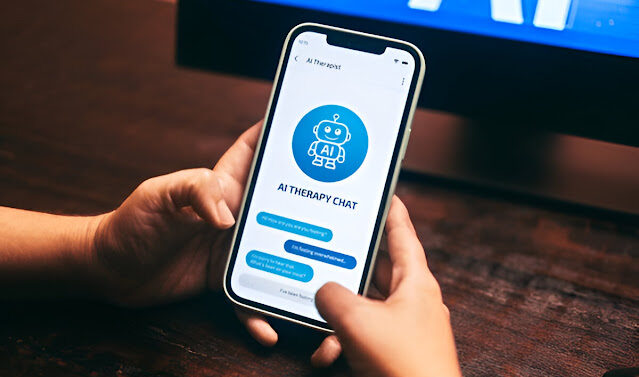
The rise of AI chatbots in healthcare is reshaping how people access information, manage wellness, and receive support. By using advanced natural language processing and machine learning, these tools can provide health guidance, offer mental health resources, and promote healthier lifestyles all through a simple conversation on a phone or computer.
At Technology Playground, we believe that AI-driven solutions like chatbots are not just about convenience they’re about transforming the way healthcare is delivered, making it more accessible, affordable, and personalized.
What Are AI Chatbots in Healthcare?
An AI chatbot is a digital assistant that interacts with users through text or voice, simulating a human conversation. In healthcare, chatbots are programmed to answer health-related questions, guide users through symptom checks, deliver medication reminders, and share wellness tips.
The relevance of AI chatbots in healthcare lies in their ability to provide 24/7 access to information and support. Someone experiencing mild symptoms might use a chatbot to decide whether to seek medical care, while a patient managing a chronic condition can receive daily lifestyle recommendations. By offering quick, accurate responses, AI chatbots help reduce unnecessary clinic visits and empower individuals to make informed choices.
At Technology Playground, we explore and implement AI chatbot solutions that align with the growing demand for smarter, user-focused healthcare tools.
Mental Health Chatbots and Wellness Support
One of the most impactful applications of chatbots is in mental health support. With demand for therapy and counseling outpacing supply, AI mental health chatbots give users an accessible and stigma-free way to seek guidance.
These chatbots can:
- Provide stress management techniques like mindfulness, breathing exercises, or positive affirmations.
- Offer non-judgmental conversations, giving users a safe space to express feelings.
- Deliver self-care reminders related to hydration, nutrition, and sleep hygiene.
For example, someone with mild anxiety may use a chatbot for calming exercises before bedtime, while a student under exam pressure might turn to a chatbot for motivational tips. Although not a replacement for professional therapy, AI chatbots for mental health serve as a valuable first step, helping users feel supported and encouraging them to seek professional care when necessary.
Case Studies and Testimonials
Case Study 1: Supporting Student Mental Health
A university integrated a mental health chatbot into its student services platform. Within the first semester, over 60% of students engaged with the tool. The most common uses included stress reduction exercises and sleep improvement techniques. One student shared:
“I wasn’t ready to book a counseling session, but the chatbot helped me manage anxiety during finals. It felt like having a supportive coach in my pocket.”
Case Study 2: Managing Chronic Conditions
A healthcare provider piloted an AI chatbot for diabetes management. Patients received reminders for medication, lifestyle tips, and nutrition advice. After six months, adherence to treatment plans improved by 30%. A patient reported:
“The chatbot keeps me consistent with my medication and even suggests meal ideas. It’s like having a personal health assistant available anytime.”
Case Study 3: Promoting Workplace Wellness
A multinational company introduced an AI wellness chatbot as part of its employee assistance program. Staff could anonymously ask questions about nutrition, stress management, or fitness. HR leaders noticed reduced stigma around seeking mental health support. One employee commented:
“Talking to the chatbot was easier than speaking to a manager. It gave me useful tips for balancing work and personal life.”
These examples highlight how AI chatbots for wellness can improve mental health, support chronic disease management, and promote healthier habits across different settings.
The Future of AI Chatbots in Healthcare
The potential of chatbots in healthcare is only beginning to unfold. Future developments may include:
- Personalized insights by integrating chatbot data with wearable devices.
- Telehealth integration, allowing chatbots to triage patients before virtual visits.
- Multilingual support, ensuring access across diverse populations.
- Emotional intelligence features, making chatbots more empathetic and human-like.
At Technology Playground, we continue to track these innovations and explore ways businesses and healthcare organizations can harness AI responsibly. Data privacy, ethics, and human oversight are key priorities as we design and promote AI-driven solutions.
Conclusion
AI chatbots are transforming health by making information and support more accessible than ever before. From mental health chatbots that reduce anxiety, to AI wellness tools that promote self-care, to chatbots for chronic condition management, these digital assistants are proving their real-world impact.
At Technology Playground, we are passionate about showcasing how technology can enhance lives, empower individuals, and reshape industries. The future of healthcare is not limited to hospitals or clinics it’s also in the AI-powered chatbots that fit in the palm of your hand, ready to listen and provide support anytime.

No comments yet.